
oc_prompt, then the selected rendering backend creates the image. The request returns an asynchronous img_uuid for polling or callback handling.oc_prompt, then the selected rendering backend creates the image. The request returns an asynchronous img_uuid for polling or callback handling.
oc_prompt, while fields such as role name, appearance, personality, or backstory can pass through with the generated character data.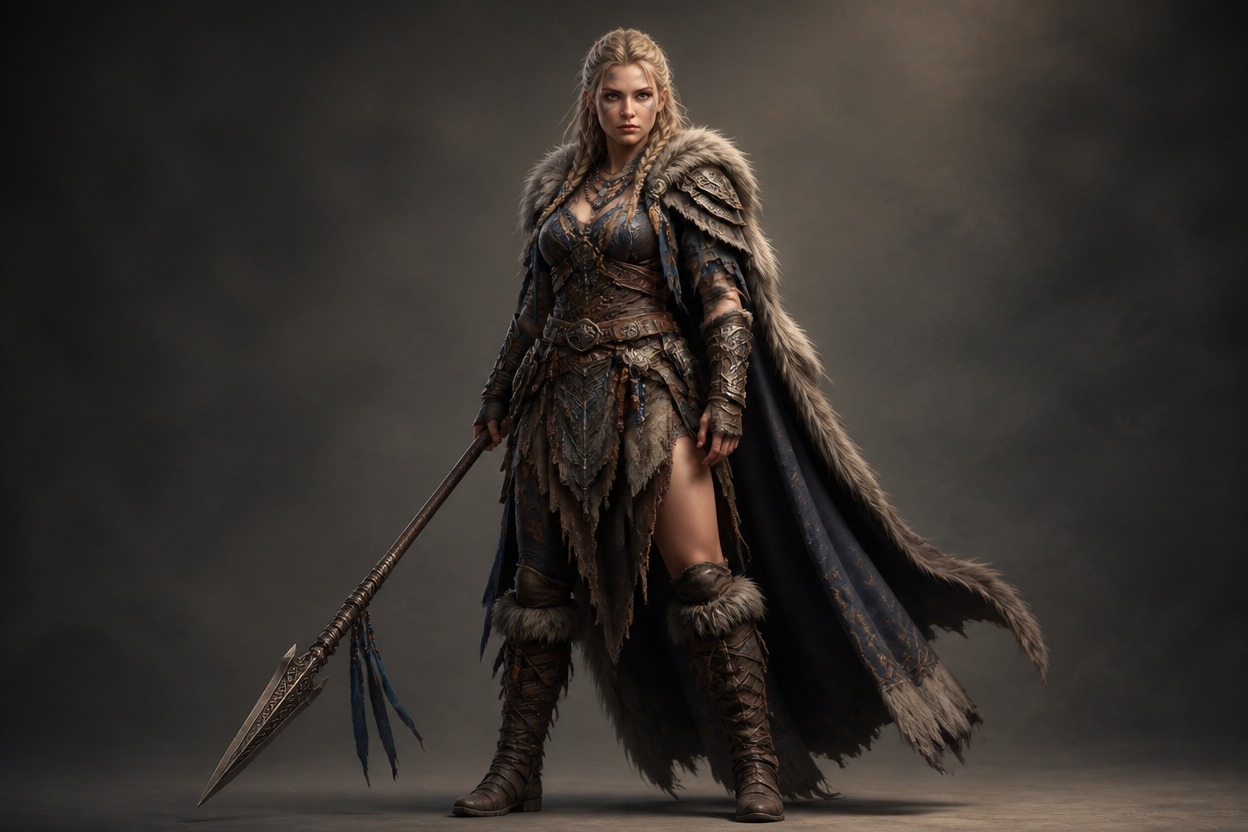
seedream or gpt-image-2 for the image stage, and optionally set a supported ratio. A request-level ratio overrides oc_ratio from the generated JSON, keeping layout decisions under application control.
oc_prompt field.image_render_model to seedream or gpt-image-2.img_uuid, then poll job details or process a public HTTPS callback.oc_prompt. Add any character fields your application needs.model: oc-maker, your prompt, and a required image_render_model. Optionally set the output ratio, text model, system prompt, or callback URL.data.img_uuid with your own task record. Poll GET /api/v1/jobs/detail or process callbacks until terminal state, then read the structured object from the JSON entry and the asset URL from the image entry.GoEnhance currently documents OC Maker API pricing as 1 token, equal to $0.02, per request. That rate covers both the text and image stages.
Your prompt must instruct the text model to return parseable JSON containing an oc_prompt field. The job fails if that field is missing or the output cannot be parsed as JSON.
Set the required image_render_model field to seedream or gpt-image-2.
Yes. You can request fields such as role name, appearance, personality, and backstory. The terminal result includes the full generated JSON object plus the rendered image entry.
No. A successful submission returns img_uuid. Poll the job-detail endpoint or provide a public HTTPS callback URL, then read the image from the result entry with type: image.
A request-level ratio overrides oc_ratio from the generated JSON. If neither is present, the documented default is 3:4.